

Hierarchy of Risk Control: The 5 Levels Explained for Construction

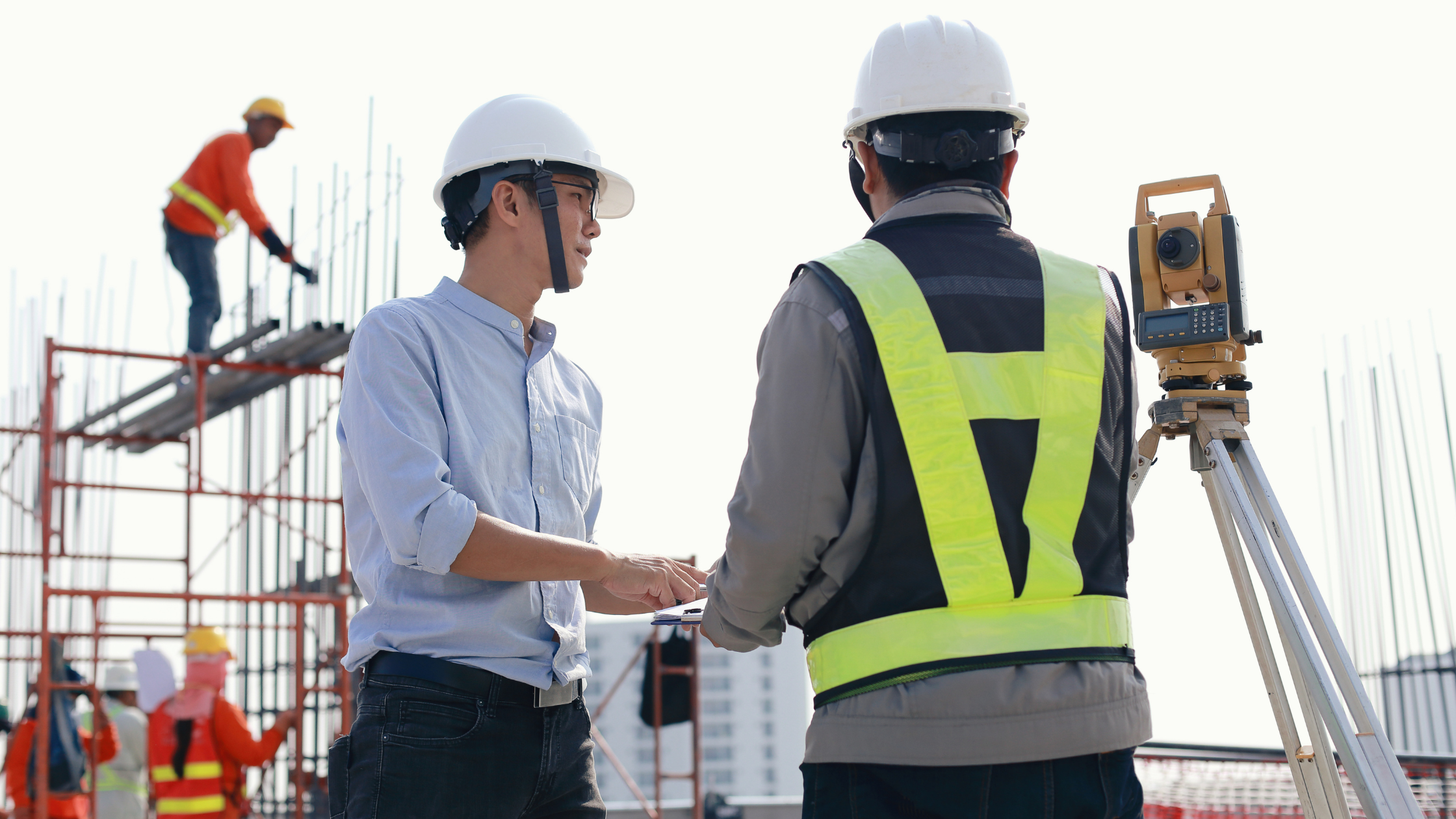
Construction sites are dynamic, high-risk environments with constantly moving parts. With multiple contractors, heavy machinery, and shifting daily objectives, managing site safety isn’t just about ticking compliance boxes; it is a core operational necessity.
To manage these hazards effectively, safety professionals and site managers rely on a universal framework: The Hierarchy of Risk Control.
But there is a massive difference between understanding this framework in a boardroom and actually applying it on a busy job site. When safe work method statements (SWMS) are left in the glovebox of a contractor's UTE, or pre-qualifications aren't verified before a worker steps onto the site, the hierarchy breaks down.
In this guide, we will explain the 5 levels of the hierarchy of risk control for construction, why paper-based controls often fail, and how modern operational platforms make running a safe, compliant site effortless for everyone involved.
What is the Hierarchy of Risk Control?
The hierarchy of risk control is a step-by-step framework used to eliminate or minimise workplace hazards. It ranks risk control measures from the highest level of protection and reliability to the lowest.
The primary goal is simple: always attempt to implement the highest level of control possible. If a hazard cannot be completely eliminated, you move down the hierarchy to the next most effective measure.
For enterprise operations and compliance managers overseeing 10+ sites, the hierarchy is the foundation of your safety strategy. But for the worker on the ground, these controls need to be frictionless, clear, and easy to follow.
The 5 Levels of Risk Control Explained
Let’s break down each of the five levels, from the gold standard of safety down to the last line of defence, with practical construction examples.
1. Elimination (The Most Effective Control)
The most effective way to protect workers from a hazard is to remove it entirely. If the hazard doesn't exist, the risk is zero.
While not always feasible in construction, elimination should always be the first question asked during the planning phase.
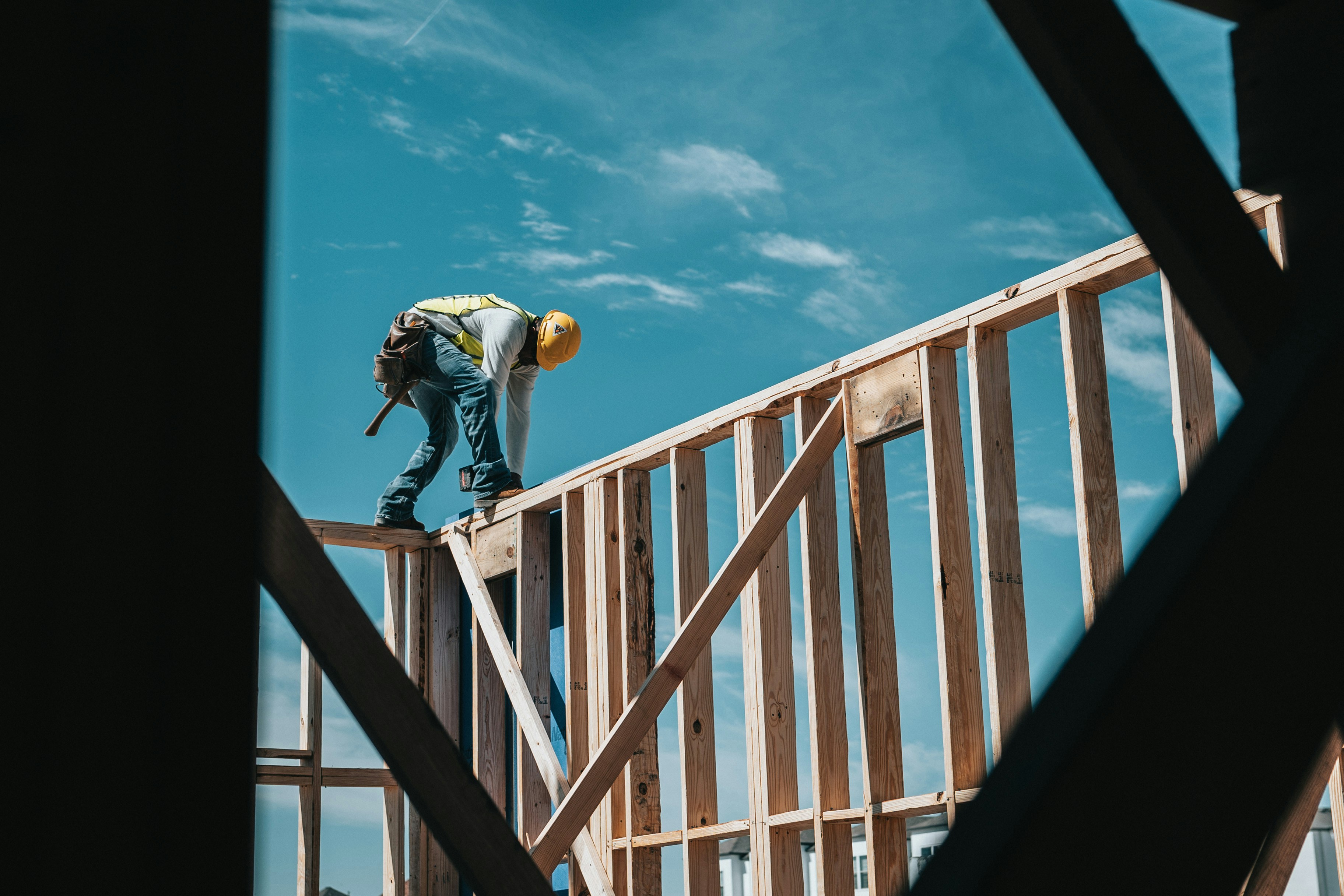
- Construction Example: Instead of having workers assemble roof trusses at a height of 10 meters (introducing a severe fall hazard), assemble the trusses on the ground and use a crane to lift them into place.
2. Substitution
If you cannot eliminate the hazard, the next best step is substitution. This means replacing the dangerous condition, material, or process with a safer alternative.
- Construction Example: Swapping out solvent-based, highly toxic paints for water-based alternatives. Or, substituting the use of unstable A-frame ladders with elevated work platforms (EWPs) or scaffolding.
3. Engineering Controls
Engineering controls involve physically altering the work environment or the machinery to isolate workers from the hazard. This level doesn't eliminate the hazard, but it creates a physical barrier between the danger and the worker.
- Construction Example: Installing edge protection and guardrails on scaffolding, adding machine guards to power tools, or setting up local exhaust ventilation systems to remove silica dust from the air while cutting concrete.
4. Administrative Controls
Administrative controls do not remove or isolate the hazard. Instead, they rely on human behaviour, procedures, and training to reduce risk. This is where site rules, training, and documentation come into play.
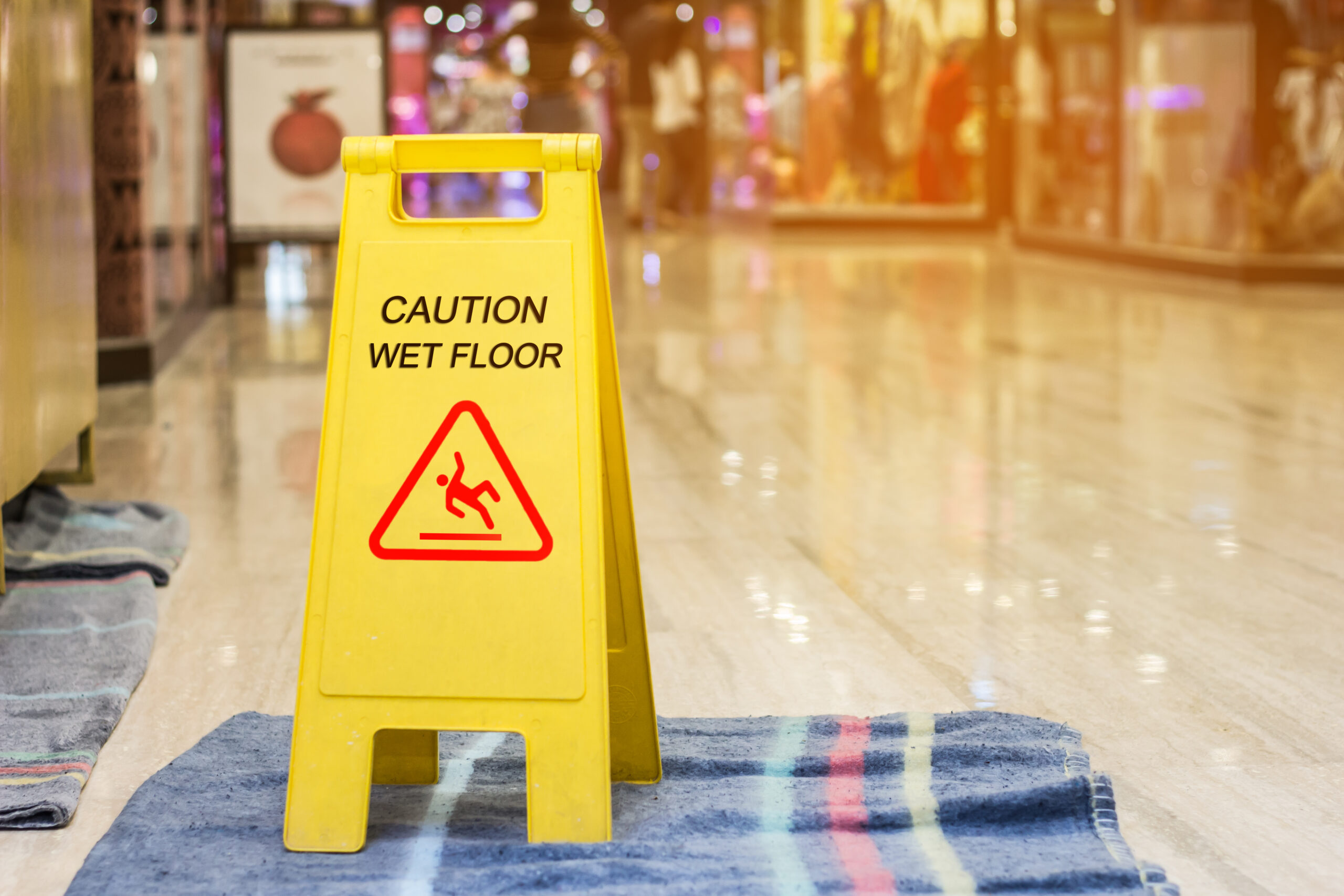
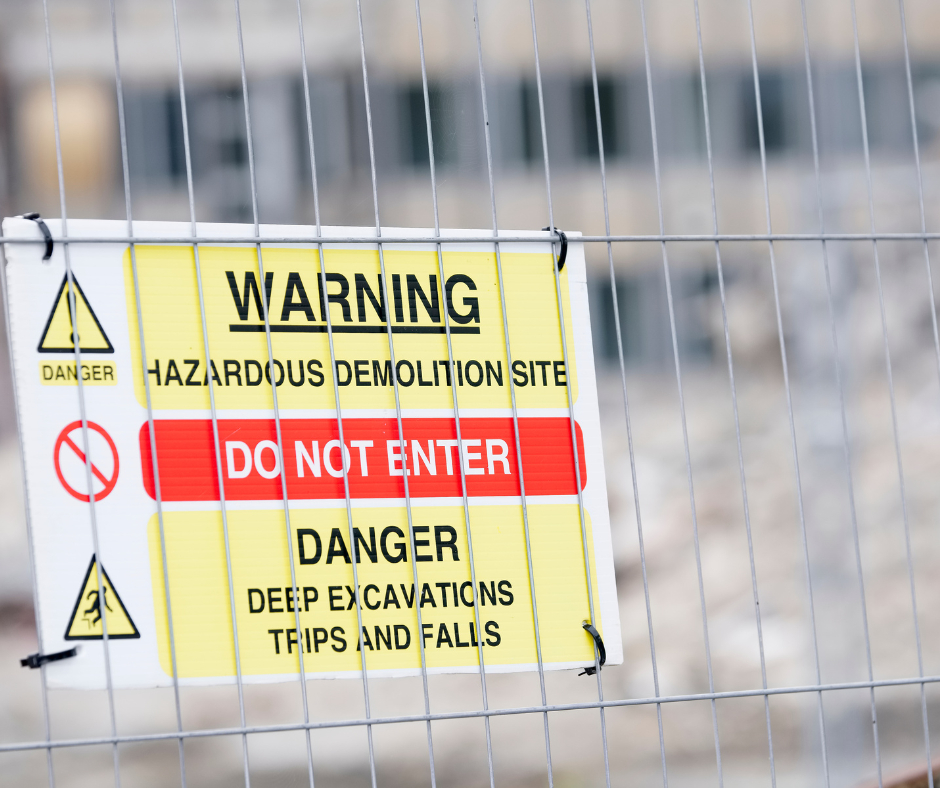
- Construction Example: Safe Work Method Statements (SWMS), Electronic Work Authority Forms (eWAF), site-specific inductions, warning signage, and rotating worker shifts to prevent fatigue.
The Real-World Challenge with Administrative Controls: Administrative controls are a legal requirement, particularly in Australia, where SWMS are mandatory for high-risk construction work. However, they are also where most operational friction occurs.
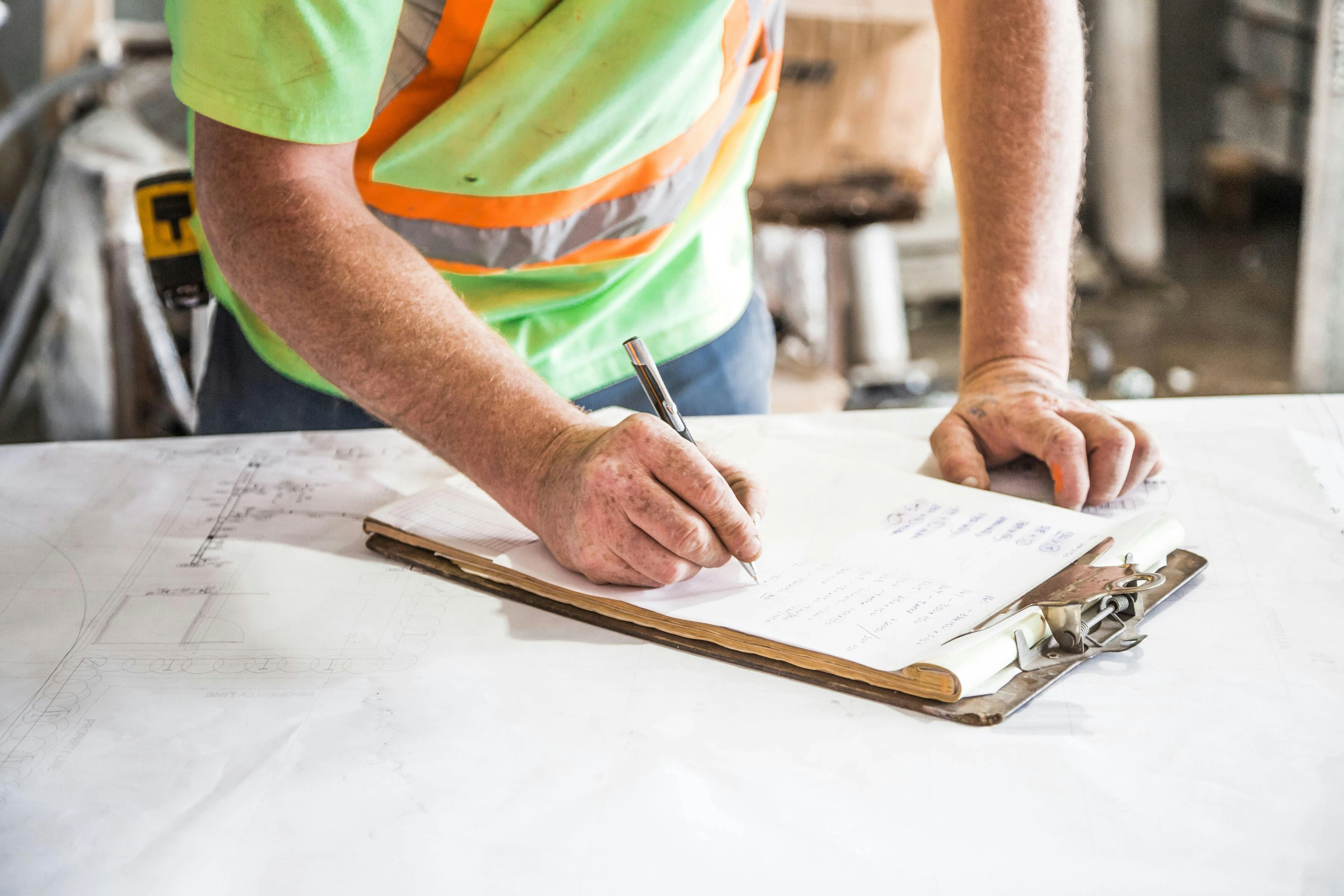
Historically, this has meant stacks of paper. A builder might have a SWMS, but it’s sitting in a supervisor's car. It isn't site-specific, and there is no real-time visibility to prove the worker actually read it on-site.
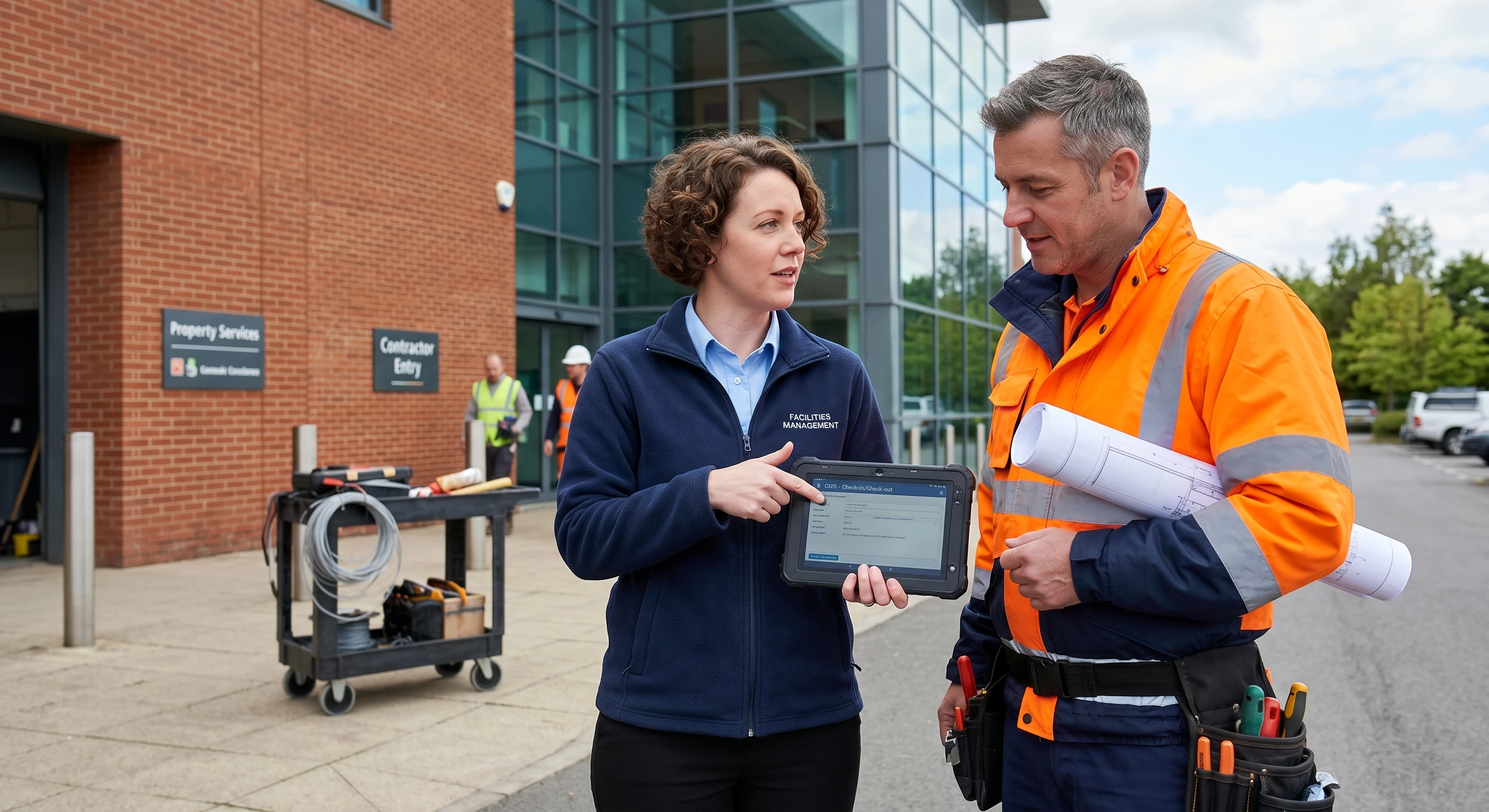
This is where Site360 changes the game. By digitalising the SWMS and tying it to our patented geo-fencing technology, the document automatically captures exactly where, when, and who completed it. The worker simply opens the app and signs in on their phone. Everything else is auto-populated. It keeps the site legal and safe, without adding administrative burden to the worker or the site manager.
5. Personal Protective Equipment (PPE)
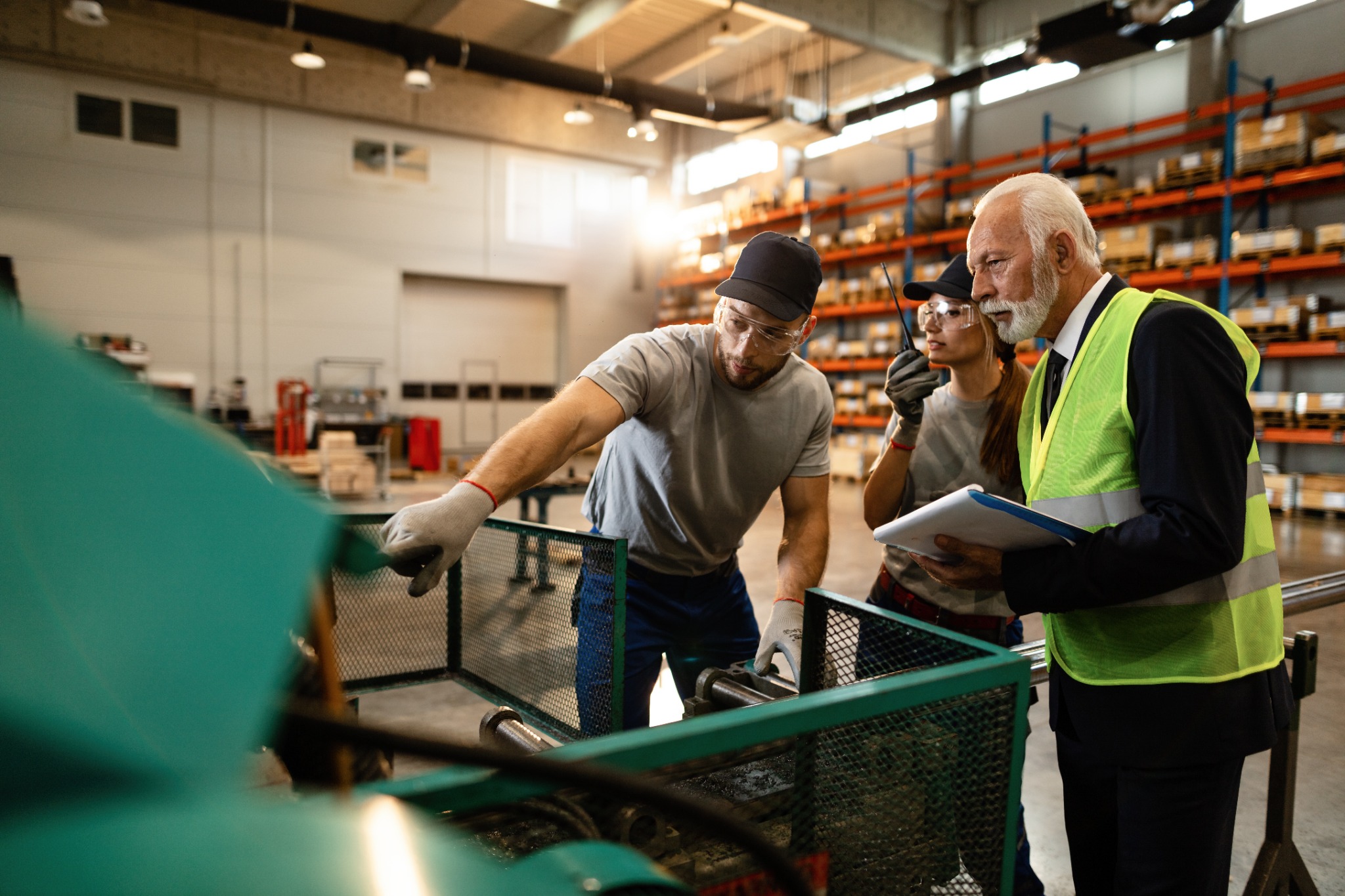
PPE is the absolute last line of defence. It is used when a hazard cannot be managed by any of the four previous controls. PPE only protects the person wearing it, and only if worn correctly.
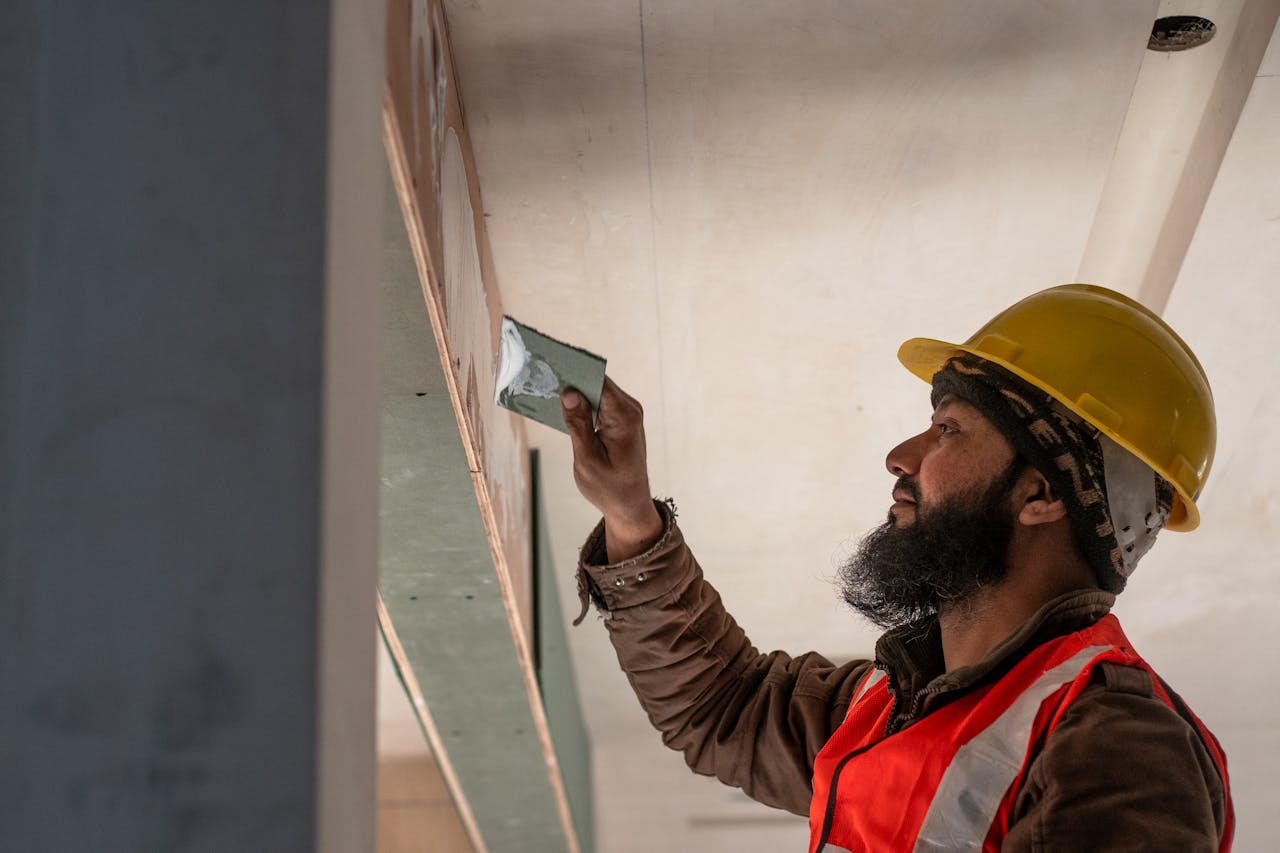
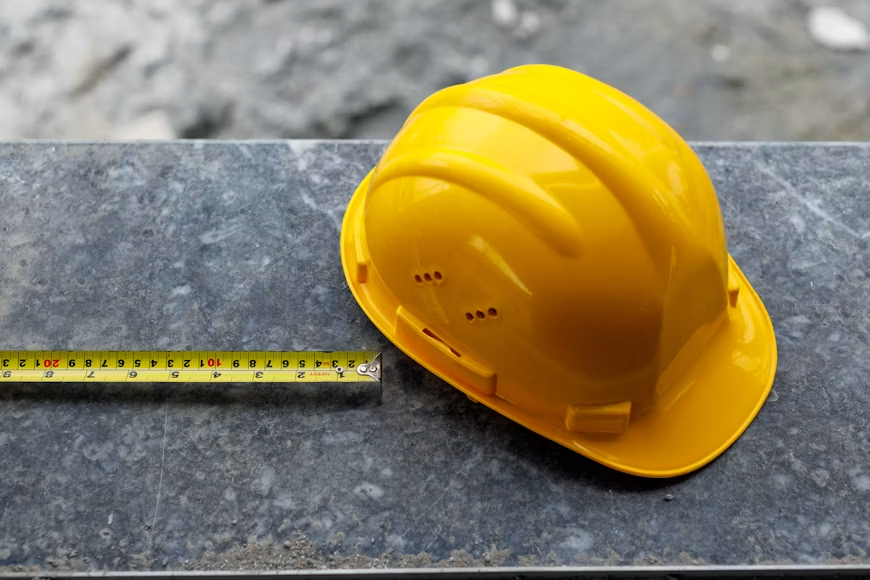
- Construction Example: Hard hats, steel-toe boots, high-visibility clothing, safety harnesses, and respirators.
Managing PPE Non-Compliance: What happens if a worker arrives on site without the correct PPE? With traditional visitor management systems, they might just sign a paper logbook and walk right in.
With Site360, when a worker checks in and answers "No" to a mandatory PPE question, a Flagged Item is instantly created. An alert is sent to the relevant supervisor, and the issue is tracked through to resolution with a full communication thread and photo evidence. It functions as an automated corrective and preventative action (CAPA) system, stopping the risk before the worker ever enters the hazard zone.
Why Paper-Based Risk Controls Fail on Modern Sites
When enterprise organisations experience safety incidents or fail WHS inspections, it is rarely because they didn't understand the hierarchy of risk control. It is usually because their execution of the hierarchy relies on outdated, paper-based workflows.
Here is why traditional methods fall short:
- Zero Real-Time Visibility: The head office has no idea who is actually on a given site at any moment, or if those workers have the right credentials.
- Unverified Inductions: Paper inductions offer no proof that a worker actually understood site-specific hazards.
- The "Glovebox" SWMS: Paper SWMS are often generic, carried in vehicles, and completely fail the legal requirement of being site-specific.
- QR Code Loopholes: Basic digital systems rely on QR codes. The problem? A worker can take a photo of a QR code, go home, and sign into a site from their couch. There is no defensible proof that they were physically present.
How Site360 Makes Risk Control Simple and Verifiable
Site360 is not just a compliance tool or a basic visitor management kiosk. It is a comprehensive site operations platform designed to give multi-site enterprises real-time visibility, while keeping things dead simple for the worker on the ground.
Here is how we operationalise the hierarchy of risk control:
- Pre-Qualification Before Arrival: For enterprise managers, the biggest risk lever is vetting. Before a contractor ever arrives on site, Site360 verifies their identity, licenses, insurances, and training certifications. Unqualified contractors are blocked before they even leave their houses.
- Patented Geo-Fencing (The Technical Moat): Unlike easy-to-fake QR codes, Site360 uses patented geo-fencing. We verifiably prove a worker was physically on-site when they completed a form, induction, or SWMS. Every record is legally defensible.
- Site-Specific Inductions: A worker checking into Site A gets hazard training specific to Site A. If they go to Site B in the afternoon, they get Site B's induction. It’s automated, seamless, and leaves a full audit trail.
- Done-For-You Setup: You don't have to learn a complex new software system. Site360 builds and configures everything for you: the forms, the inductions, the SWMS workflows, and the alerts. You tell us what you need; we build it.
Keep Sites Legal, Safe, and Simple
Implementing the hierarchy of risk control across a multi-site enterprise shouldn't mean drowning your site managers in paperwork or forcing contractors to navigate clunky kiosks.
The most effective safety controls are the ones that actually happen. By automating pre-qualifications, digitalising SWMS with geo-fenced verification, and tracking flagged items in real-time, Site360 drives site risk as close to zero as possible.
You get audit-ready control across your entire network. Your workers get a frictionless, open-the-app-and-check-in experience.
Ready to see how multi-site enterprises are gaining real-time visibility over their workforce? Book a Site360 Demo Today and discover outcome-focused operational control.
Frequently Asked Questions
What is the most effective level in the hierarchy of risk control?
Elimination is the most effective level. Completely removing the hazard from the construction site ensures that workers cannot be exposed to the risk under any circumstances.
Why is PPE considered the last resort in safety?
PPE is the least effective control because it does not remove or reduce the hazard itself; it merely places a physical barrier between the hazard and the worker. It relies entirely on human behaviour; the worker must wear it, and wear it correctly for it to work.
Is a SWMS an administrative control?
Yes. A Safe Work Method Statement (SWMS) is an administrative control. It dictates the procedures and steps workers must follow to perform high-risk construction work safely.




_%20Definition%2C%20Calculation%2C%20and%20Examples.jpg)

_.webp)
%20A%20Guide%20for%20Construction%20(Hero).webp)
.png)









.jpg)